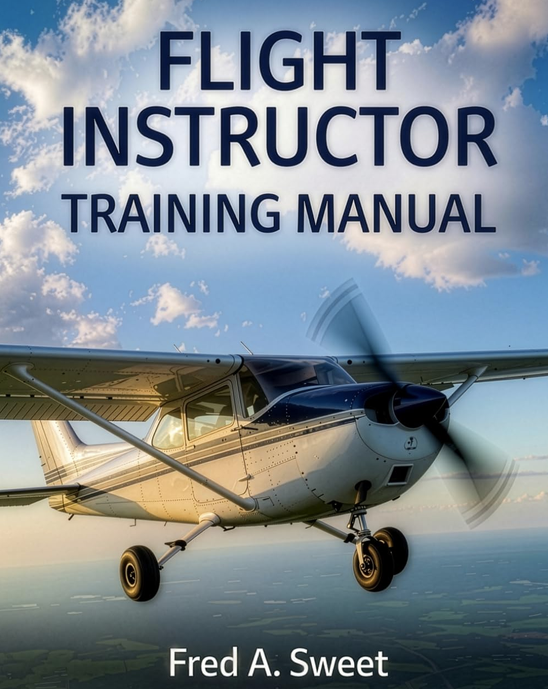
Flight Instructor Training Manual
This is a training guide for the initial FAA flight instructor certificate. It provides content not available anywhere else. Includes a brief summary of the fundamentals of instruction with practical applications (no need for rote memorization) and includes a step by step guide for preparing lesson plans and how to deliver a guided discussion on a ground or flight lesson. Also includes brief summary of important regulations for the initial CFI and check lists that allow the applicant to breeze through the training and endorsements required for certificates and ratings (AC 61-65 is does not include the training required and how to use each endorsement). There is a chapter on aerodynamics for the CFI so you can explain concepts to your students in simple but accurate terms. Also included are chapters on how to teach rudder use without starring at the ball, energy management and practical steps to teach landings (where to look, what you need to see and how to manage the aircraft). This book pairs well with the Private, Commercial, and Sport Pilot Training Manual which has lesson plans for ground and flight (with brief review of concepts), training syllabus, and tips and tricks on how to teach each maneuver.
Who this book is for
- Flight instructors (CFI) applicants seeking guidance on preparing for the initial FAA Flight Instructor Practical Tests.
- Flight Schools and Instructors looking for a structured program to train new Flight Instructors.
Key features
- Fundamentals of Instruction synopsis with practical applications and scenarios
- FAA Regulations for the CFI decoded and quick reference
- TSA vetting and endorsement procedures for US and Foreign Student Pilots
- Eligibility, Training and Endorsement requirements by certificate check lists. Easy reference for use on the practical and qualifying students for check rides
- Practical Aerodynamics for the CFI so they teach with authority
- How to teach rudder use without staring at the ball
- How to teach landings including objective and practical miles stones for energy management and the stabilized approach